1. HA LONG BAY
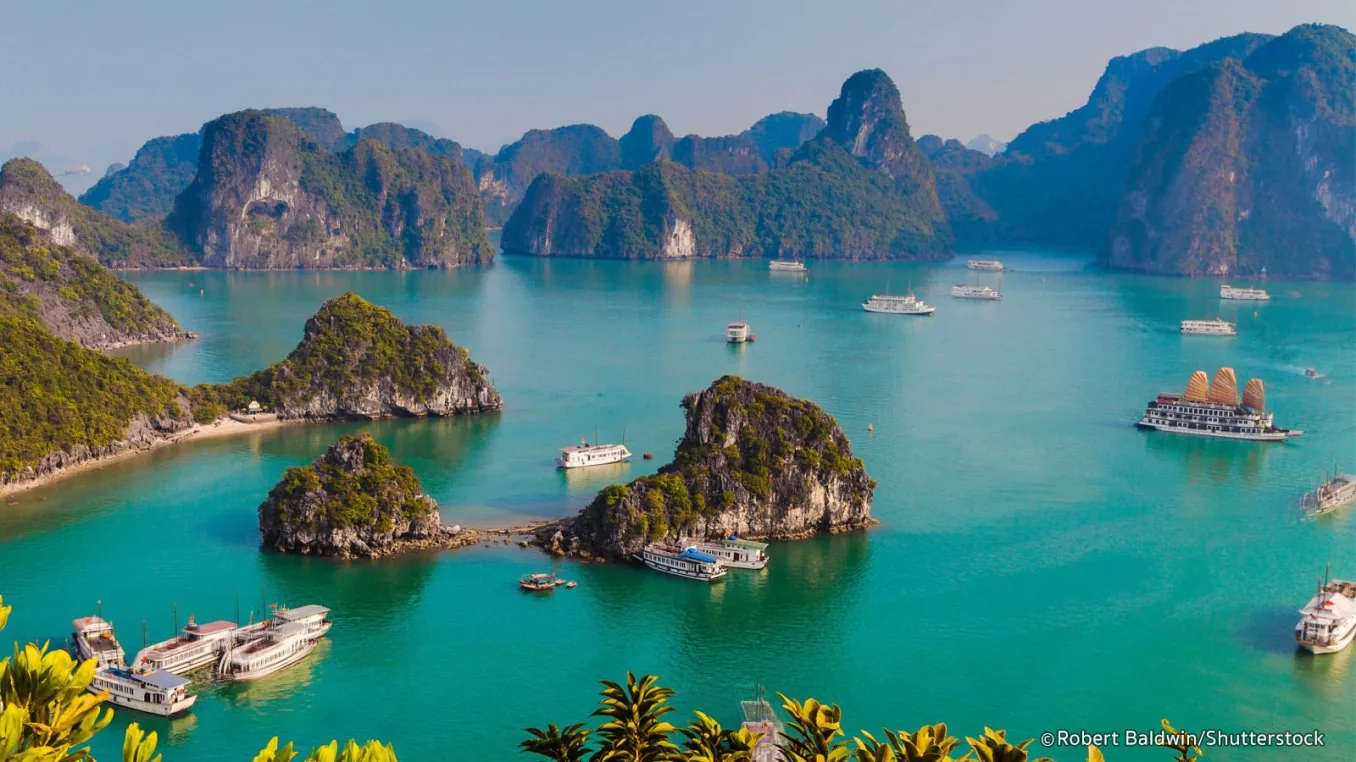 Ha Long Bay is arguably Vietnam’s most recognised landscape, boasting over 1,600 limestone islands and islets. Located in northern Vietnam, the UNESCO-listed bay features a wide range of biodiversity, while the surrealistic scenery has been featured in plenty of films throughout the years. Needless to say, it’s a must-visit for any first-time visitor to Vietnam. The best way to get to Ha Long Bay is by car, minibus or joining a day tour from Hanoi, located only 170km away. While overnight stays on a traditional junk are popular options, you can also opt for an exhilarating seaplane trip from Hanoi to Ha Long Bay.
2. SON DOONG CAVE
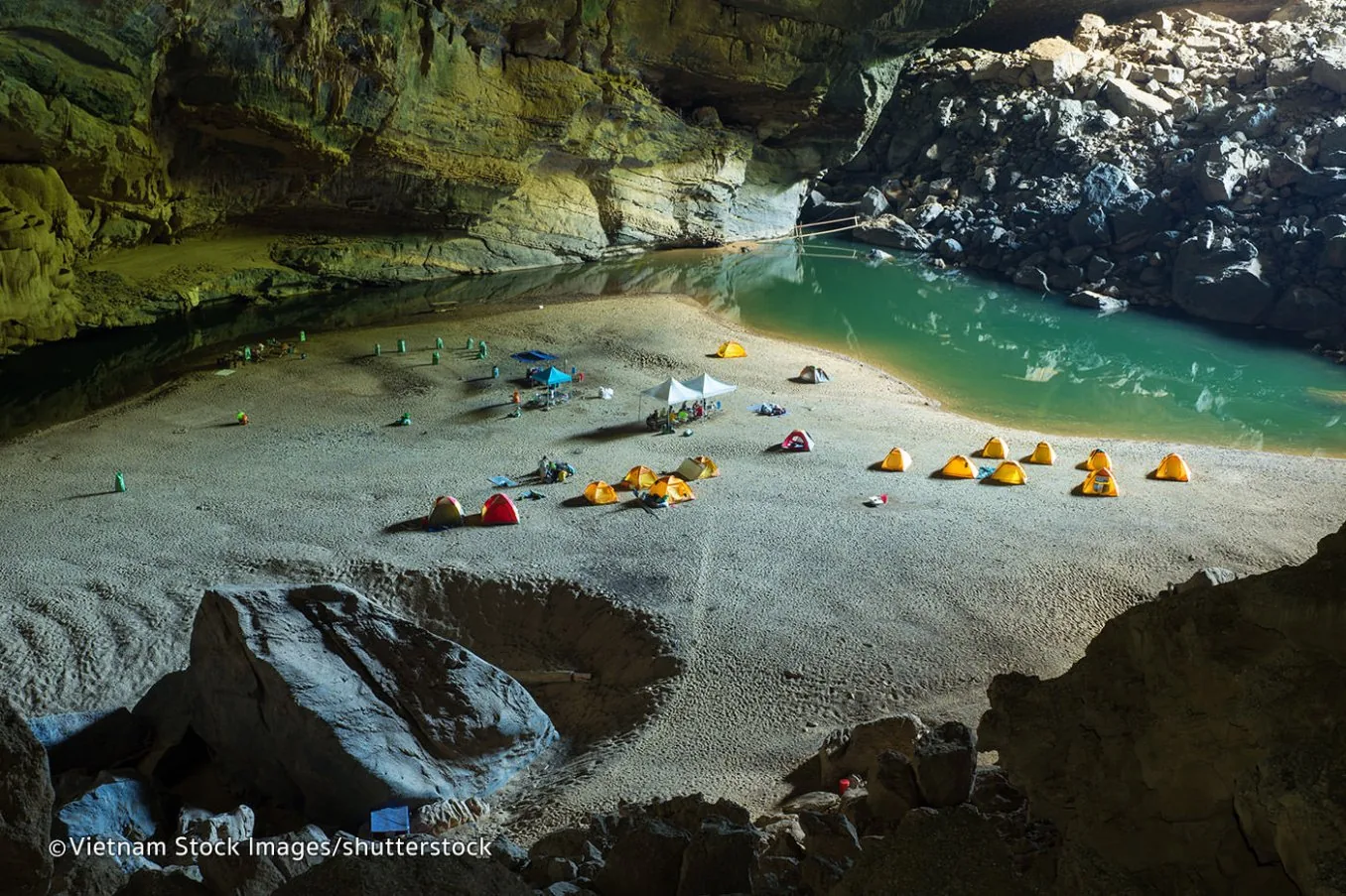
Son Doong Cave is known as the world’s largest natural cave, housing many limestone grottoes, stalactites and stalagmites. Set within Phong Nha-Ke Bang National Park (about 500km south of Hanoi), the cave is a must visit for adventurous travellers looking to explore one of Vietnam’s natural gems during their holiday.
Son Doong cave was first discovered in 1991 by a local named Ho Khanh, followed by a team of British cavers lead by Howard Limbert in 2009. With sections reaching up to 200 metres high, Son Doong Cave also spans 9 km in length, making it about two times bigger than Malaysia’s Deer Cave. The cave is also home to a variety of wildlife, including monkeys, bats and flying foxes.
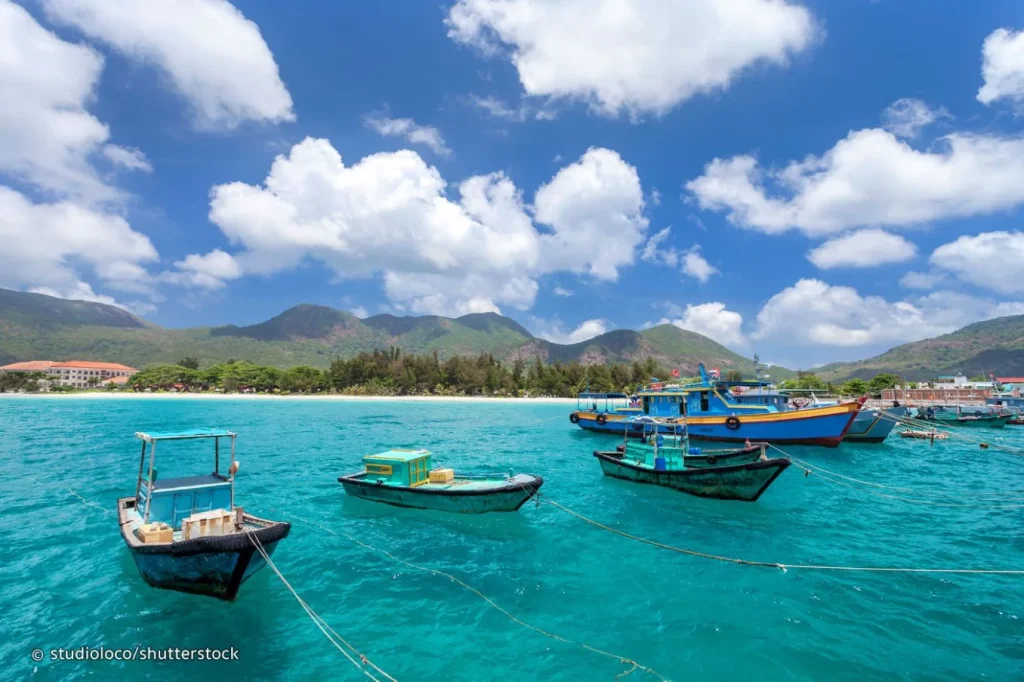
3. CON DAO ISLANDS
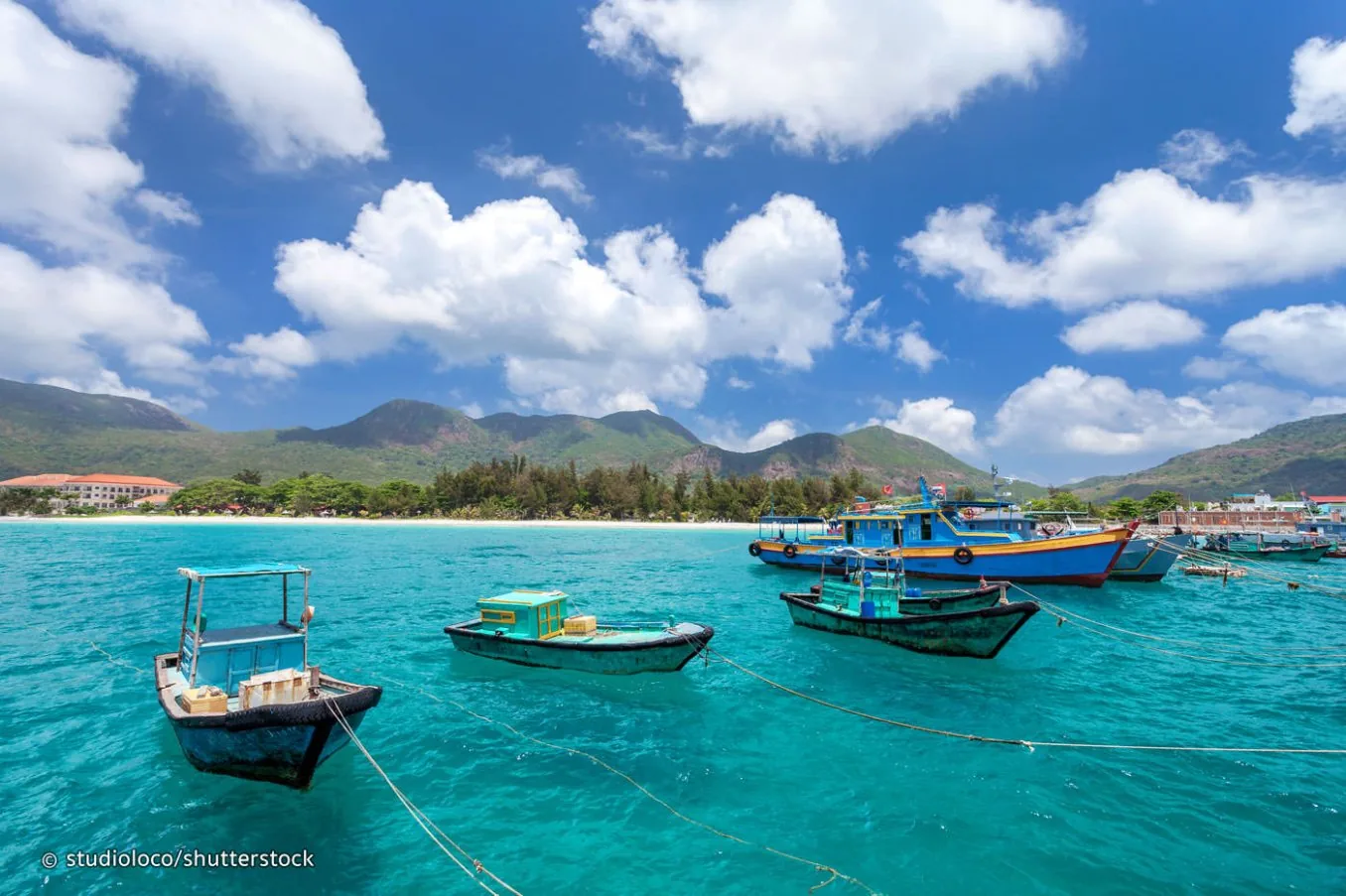
Con Dao Islands comprises 16 uninhabited islets just off the southern coast of Vietnam, each of which offering expansive beaches shaded with evergreen trees. The main island was once the site of a French-run prison for Vietnamese involved in the independence movement, but today it’s a popular spot for snorkelling, swimming, and diving. The more remote Con Dao Islands are also renowned turtle breeding sites, so if you’re visiting between June and September, you may even get a chance to watch turtles laying their eggs.
4. FANSIPAN MOUNTAIN (SAPA)
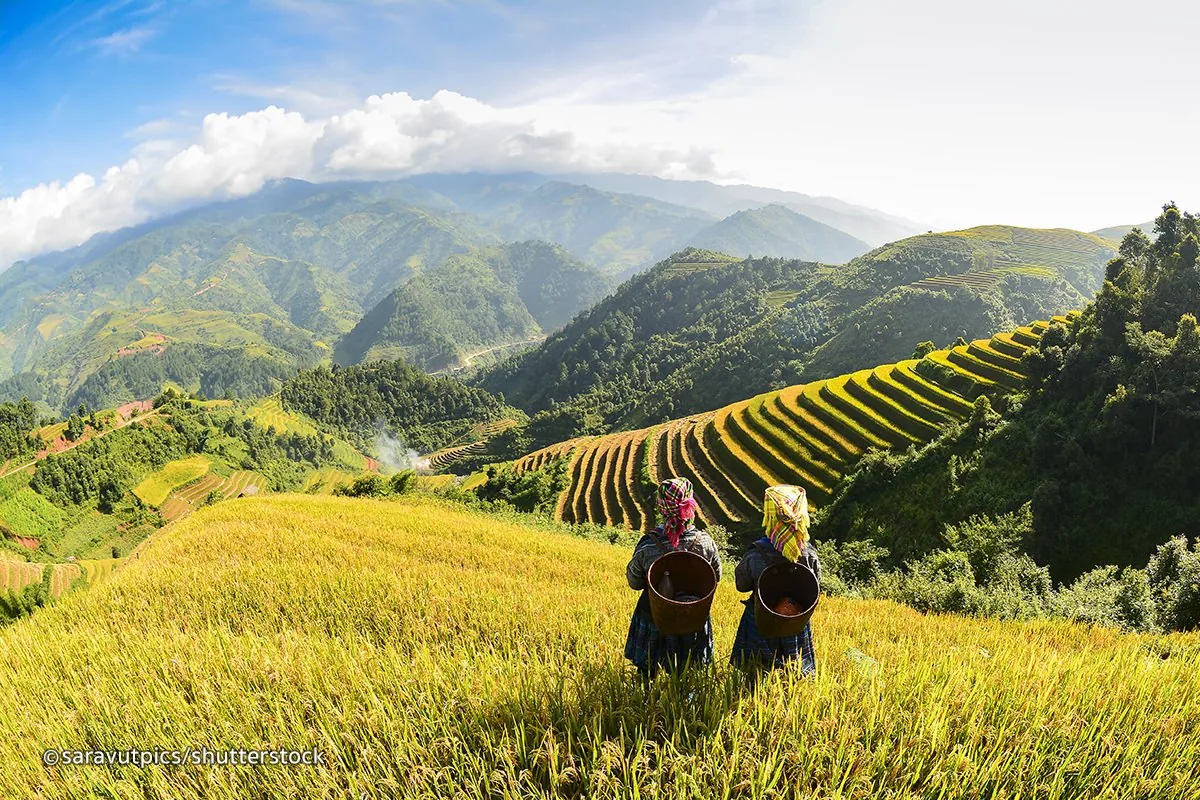
Hiking Sapa’s Fansipan Mountain may require a good level of fitness, but you’ll be rewarded with breathtaking views of mountain ranges and countryside within north-western Vietnam as well as glimpses of Yulong Mountain in China. Located 9 kilometres southwest of Sapa Village, three-day to five-day hiking excursions are available between October and March, where you’ll pass through hill tribe hamlets and dense forest trails, followed by a 2000 metre-tall climb to the top of the mountain.
5. SAND DUNES OF MUI NE
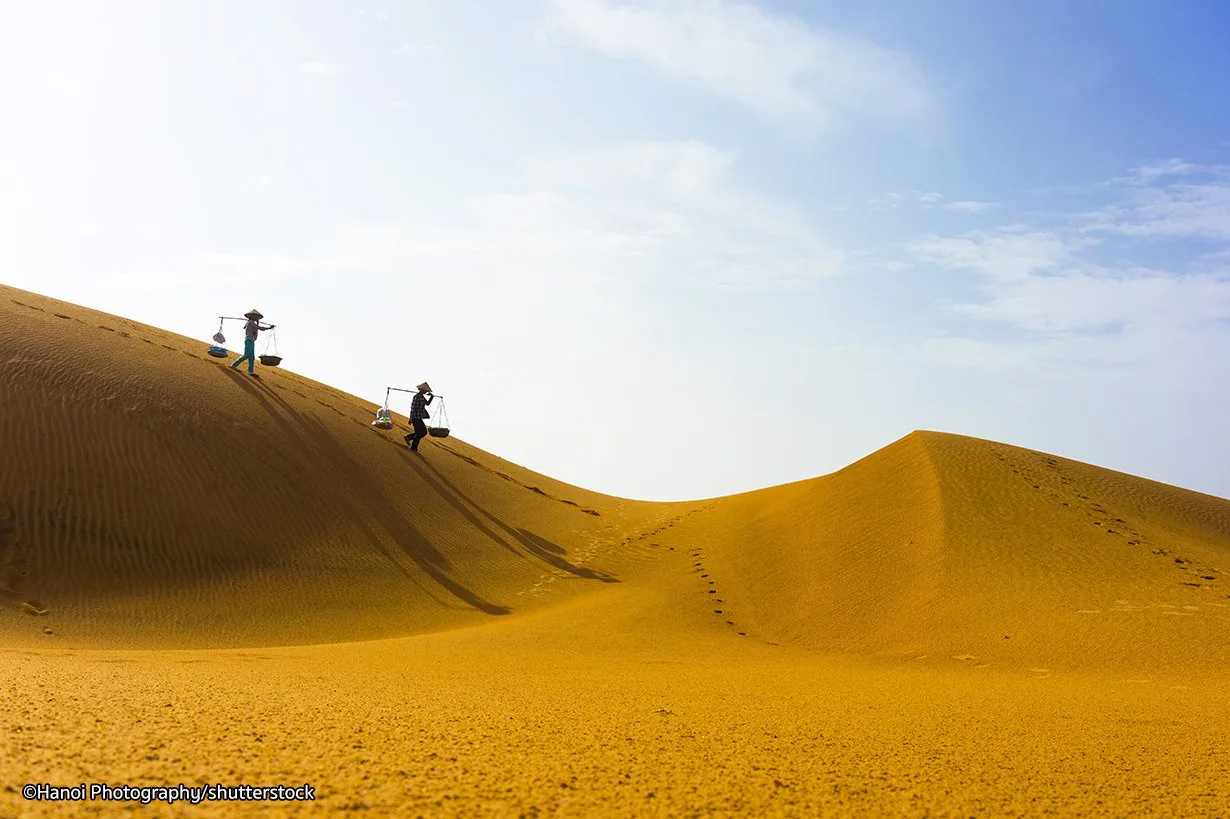 The Sand Dunes of Mui Ne are popular not only for their picturesque landscapes, but also for offering fun-filled activities such as sandboarding, kite flying and quad-biking. You can find plenty of tour operators in Mui Ne that organise daytrips to these Saharan-like red and white sand dunes, while plastic sheds are available for rental at affordable prices. Just be sure to check on the price and agree on it beforehand. The best time to visit the Mui Ne Sand dunes is either early in the morning or late afternoon as it can get very hot during the day. Be sure to wear sunscreen and drink plenty of water during your visit as well.
Source: http://www.vietnam-guide.com/
Vietnam Trade Office
Looking for Vietnamese suppliers or market information?